

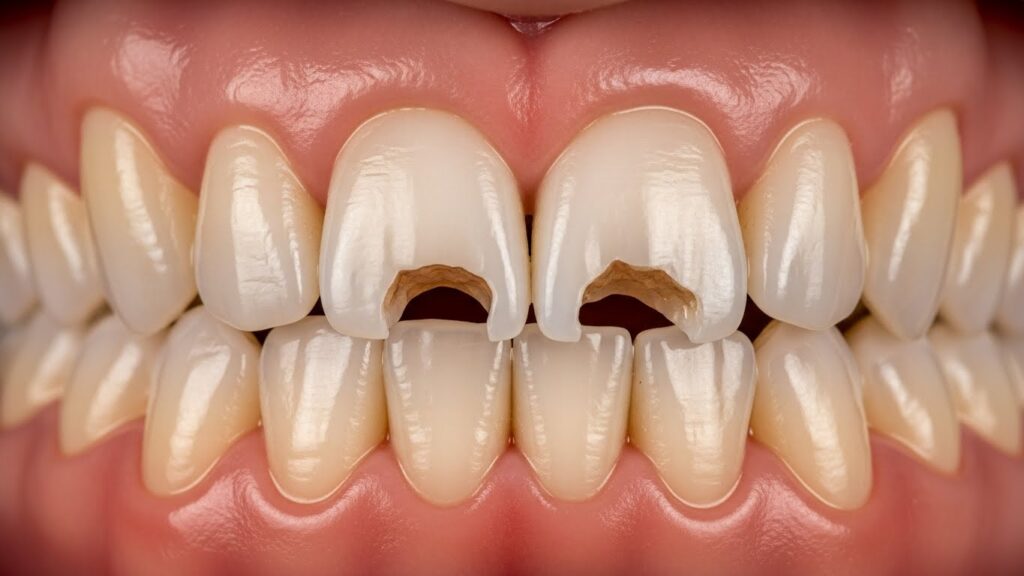
Introduction to Navy Tooth Repair
Maintaining oral health is essential for everyone, but it takes on special significance when you’re in the Navy. The lifestyle, environments, and stressors faced by Navy personnel can put a strain on oral health. That’s why knowing effective tooth repair hacks is crucial to ensuring you can perform at your best, whether you’re on deployment, in training, or on shore duty. So, what can you do to maintain your teeth in top shape, despite the unique challenges of Navy life? Let’s dive in!
The Unique Challenges of Maintaining Teeth in the Navy
Military life often means long hours, unpredictable schedules, and sometimes even limited access to dental care. With intense physical demands, irregular eating habits, and high-stress levels, Navy personnel face unique challenges that can impact their oral health. From exposure to salty sea air to frequent deployments and on-the-go meals, many Navy members struggle with tooth sensitivity, gum disease, and enamel erosion. But with the right knowledge and strategies, you can take control of your dental health and prevent these issues from becoming a bigger problem.
Common Dental Issues Faced by Navy Personnel
Navy personnel are at a higher risk of several common dental issues, many of which can be addressed with a few simple steps. Let’s take a closer look at some of the most common challenges.
Tooth Enamel Erosion
One of the most common problems faced by military personnel is enamel erosion, which occurs when the outer layer of the tooth wears down over time. This can happen for several reasons, including acidic foods, lack of hydration, and even the stress of heavy physical activity. The salt in seawater can also contribute to this issue when combined with acidic diets and dry mouth.
Tooth Sensitivity
Tooth sensitivity is another issue many Navy members face. Whether it’s from drinking hot or cold beverages, biting into certain foods, or just the wear and tear from daily life, sensitive teeth can be uncomfortable. The stress of being deployed or under pressure can exacerbate the condition, making it even more difficult to manage.
Gum Disease
In the Navy, gum disease can occur for various reasons, including inconsistent oral care routines due to demanding schedules. Without regular brushing and flossing, plaque can build up on the teeth and gums, leading to inflammation and infection. If left untreated, gum disease can result in tooth loss, which is why prevention is key.
Navy Tooth Repair Hack: Top Strategies for Success
Now that we’ve explored the common dental issues in the Navy, let’s talk about the best tooth repair hacks and strategies to maintain your oral health while serving.
Daily Oral Care Routine
Maintaining a consistent oral care routine is essential for preventing dental problems, especially while on duty. Here’s a step-by-step guide for a healthy daily oral routine:
-
Brush twice a day: Use a soft-bristled toothbrush and fluoride toothpaste to clean your teeth thoroughly. Brush for at least two minutes to ensure complete cleaning.
-
Floss once a day: Flossing helps remove food particles and plaque from areas where your toothbrush can’t reach.
-
Use mouthwash: A fluoride mouthwash can help protect your teeth and gums, providing extra protection against cavities and gum disease.
Using Tooth Sensitivity Products
For those dealing with sensitive teeth, using a sensitivity toothpaste can provide quick relief. These toothpaste products are formulated with ingredients that help to block the pain signals from the nerve endings in your teeth. Additionally, using a desensitizing gel on specific areas of sensitivity can help to further reduce discomfort, allowing you to enjoy hot and cold foods without pain.
Professional Dental Treatments in the Navy
As a member of the military, you have access to military dental care, which means regular checkups and treatments are available to you. The Navy offers comprehensive dental services, including preventive care, fillings, and tooth repair. Make sure to take full advantage of these services, scheduling regular visits with a military dentist to catch potential issues before they worsen.
Emergency Tooth Repair Tips
In the event of a dental emergency (like a cracked or broken tooth), it’s essential to know how to handle the situation until you can see a dentist. Here’s what to do:
-
Rinse your mouth: Use warm water to clean the area.
-
Apply cold compress: If you have swelling, place a cold compress on the outside of your cheek to reduce pain.
-
Cover the tooth: If the tooth is chipped, try to cover it with sugar-free gum or wax until you can get professional treatment.
Preventative Measures to Protect Your Teeth
Prevention is always better than cure, so let’s look at some important preventative measures you can take to keep your teeth healthy in the Navy.
Staying Hydrated and Avoiding Stimulants
Hydration is key to oral health. The dry air aboard ships or during deployments can lead to dry mouth, which increases the risk of tooth decay and gum disease. Drinking plenty of water throughout the day can help keep your mouth moist and reduce the risk of cavities. Additionally, avoiding acidic beverages like soda, coffee, and alcohol will protect your enamel from erosion.
Brushing and Flossing Regularly
As mentioned earlier, brushing and flossing are essential to maintaining good oral hygiene. Carry a travel-size toothbrush and floss with you, especially during long shifts or when traveling, to ensure you can maintain a healthy routine even in challenging environments.
Avoiding Chewing on Hard Objects
A common issue for Navy personnel is the habit of chewing on hard objects like pens or bottle caps. This can lead to tooth fractures or damage to dental work. Avoid this habit to prevent unnecessary damage to your teeth.
Dental Benefits and Support Available in the Navy
As part of your military benefits, the Navy offers comprehensive dental care to all active-duty personnel. These services include preventive care, restorative treatments, and access to a team of dental professionals who can address any oral health concerns you may have.
Military Dental Coverage
Navy members are eligible for a wide range of dental treatments, which are covered under military dental benefits. This includes routine exams, cleanings, fillings, crowns, and other treatments necessary to maintain oral health during your service.
Regular Dental Checkups
It’s important to schedule regular dental checkups to ensure that your teeth remain healthy and any potential issues are addressed before they become serious. The Navy encourages personnel to make use of these services to maintain their health throughout their careers.
Conclusion
Maintaining oral health while serving in the Navy requires diligence, but it’s entirely achievable with the right habits. By incorporating simple daily routines, using the right products, and taking advantage of military dental services, you can protect your teeth and ensure they stay strong and healthy. Whether you’re dealing with sensitive teeth, gum disease, or emergency repairs, the Navy tooth repair hacks outlined in this article can help you maintain a healthy smile during your service.
FAQs
1. How often should I see a dentist in the Navy?
It’s recommended to see a military dentist at least once a year for a routine checkup. However, if you experience any issues, you should seek dental care immediately.
2. What should I do if I lose a tooth during deployment?
If you lose a tooth, rinse your mouth with warm water, apply a cold compress to the outside of your cheek, and seek immediate dental attention. Your dentist will guide you through the next steps.
3. Can I get treatment for tooth sensitivity in the Navy?
Yes, you can ask your military dentist for advice and treatment options, including sensitivity toothpaste and desensitizing treatments.
4. Are there any specific dental products recommended for Navy personnel?
Toothpaste for sensitive teeth, fluoride mouthwash, and sugar-free gum are great choices to help protect your teeth while managing the unique challenges of Navy life.
5. Can I use the Navy’s dental benefits for cosmetic procedures?
Typically, cosmetic procedures (such as teeth whitening) are not covered under Navy dental benefits. However, restorative and preventive treatments are fully covered.