
The waters off Mexico’s Baja Peninsula hold a secret that anglers worldwide have come to revere: more billfish swim through these currents than perhaps anywhere else on Earth. Cabo San Lucas sits at the confluence of the Pacific Ocean and the Sea of Cortez, creating a marine highway where striped marlin, blue marlin, and black marlin migrate in staggering numbers. This geographic advantage, combined with decades of conservation-minded fishing practices and world-class charter infrastructure, has cemented Cabo’s reputation as the undisputed capital of trophy billfish angling.
Every year, thousands of anglers travel to this desert peninsula with one goal: to battle a fish that can weigh more than a grand piano and strip 300 yards of line in seconds. The statistics alone tell part of the story—Cabo’s fleet logs more billfish releases annually than most destinations see in a decade. But numbers don’t capture the heart-pounding moment when a 500-pound blue marlin erupts from the water, or the satisfaction of releasing a healthy fish after a 90-minute fight. This article explores what makes chasing trophy billfish in Cabo San Lucas an experience that belongs on every serious angler’s bucket list.
The Geographic Advantage: Where Two Seas Meet
Cabo San Lucas occupies a rare position at the southern tip of the Baja California Peninsula, where cold, nutrient-rich Pacific waters collide with the warmer Sea of Cortez. This convergence creates an underwater buffet that attracts baitfish by the millions—sardines, mackerel, skipjack tuna, and flying fish. Where baitfish concentrate, apex predators follow.
The continental shelf drops dramatically just miles from shore, plunging from 60 feet to over 1,000 feet in less than a mile. These deep-water canyons and underwater mountains funnel marlin, sailfish, and dorado into predictable migration routes. Charter captains have spent generations mapping these underwater highways, knowing which seamounts hold fish in June and which currents produce in November.
Unlike destinations where anglers must run 40 or 50 miles offshore, Cabo’s prime billfish grounds sit just 20 minutes from the marina. This proximity means more fishing time and less fuel consumption—a practical advantage that translates to better value and more shots at trophy fish per day.
Species Diversity: The Marlin Capital of the World
Cabo’s waters host all three Pacific marlin species, plus sailfish, swordfish, and occasional spearfish. Striped marlin dominate from November through March, with multiple hookups per day being routine rather than exceptional. These fish average 120-180 pounds and provide spectacular aerial displays, often “tail-walking” across the surface for 50 yards or more.
Blue marlin arrive in force during summer and fall, with fish ranging from 200 to over 800 pounds. The Cabo San Lucas Marlin Fishing season for blues peaks between July and October, when water temperatures climb into the 80s and big females move through on their annual migration. Landing a blue over 500 pounds requires skill, stamina, and often a two-hour battle that tests every knot and connection point in your tackle.
Black marlin, the true giants of the billfish world, appear less frequently but offer the ultimate trophy opportunity. Fish exceeding 600 pounds are caught each season, with the occasional monster pushing toward 900 pounds. These fish don’t jump—they bulldoze, making long powerful runs that can empty a reel in minutes.
Sailfish provide year-round action as a bonus species, often showing up while targeting marlin. Their acrobatic fights and willingness to eat live bait make them a favorite among anglers seeking variety in a single day on the water.
Conservation Practices: Catch-and-Release Culture
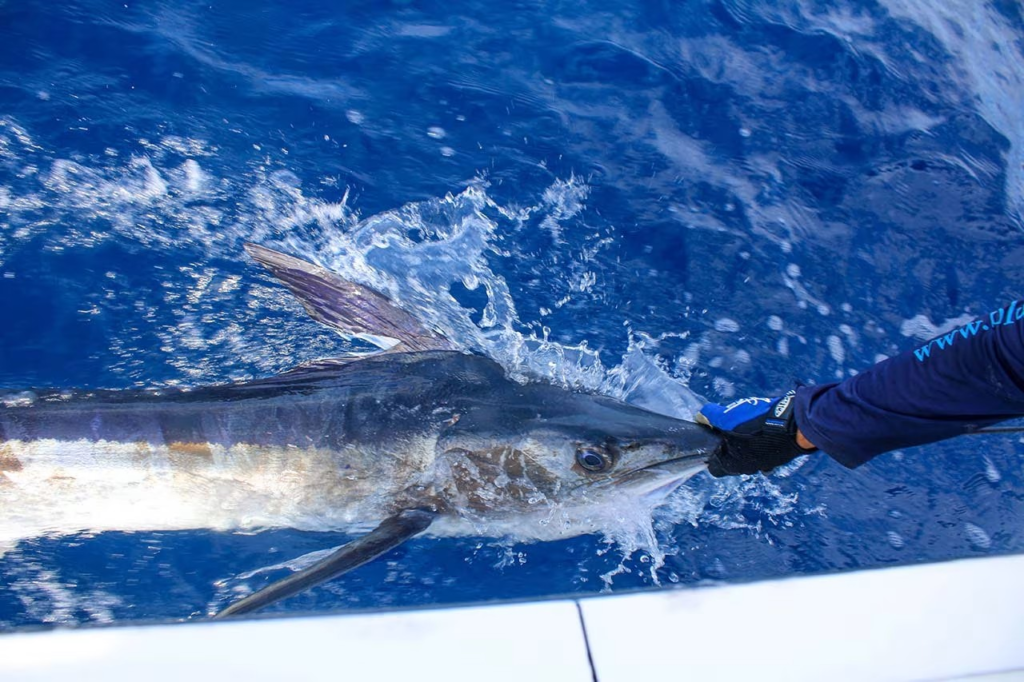
Cabo’s billfish fishery thrives because the charter fleet adopted conservation practices decades ago. Nearly all marlin caught today are released alive, tagged, and reported to international databases that track migration patterns and population health. This catch-and-release ethic isn’t just good stewardship—it’s good business. Healthy fish populations ensure future seasons remain as productive as past ones.
Modern techniques minimize fish stress and maximize survival rates. Circle hooks reduce deep hooking, fighting times are kept reasonable, and fish are revived properly before release. Many captains use artificial lures that allow fish to be released without bringing them boatside, a practice that significantly improves post-release survival.
The Mexican government enforces size limits and seasonal restrictions on certain species, while local fishing associations promote best practices through education and peer pressure. This collaborative approach between regulators, captains, and anglers has created a sustainable model that other destinations now attempt to replicate.
The Charter Fleet: Expertise and Equipment
Cabo’s charter fleet represents one of the most professional and well-equipped sportfishing operations anywhere. Over 800 boats operate from local marinas, ranging from 28-foot pangas to 80-foot tournament-rigged sportfishers. Captains and crews train for years before running their own boats, learning not just where fish live but how weather, moon phases, and bait movements affect daily patterns.
Tournament-grade tackle is standard equipment, not an upgrade. Penn International and Shimano Tiagra reels loaded with 50- to 130-pound test line, custom rods built for billfish, and leader material tested to IGFA specifications. Live bait tanks keep caballito, skipjack, and mackerel lively throughout the day, while lure spreads feature proven producers like petroleum-based skirted lures and swimming plugs.
Communication between boats means that when fish are located, multiple crews benefit from shared information. This cooperative approach—uncommon in many fishing destinations—increases success rates across the fleet. Cabo Fishing Charters maintain radio contact throughout the day, creating a network that puts clients on fish more consistently than solo operations ever could.
Year-Round Fishing: When to Chase Trophy Billfish
Cabo offers viable billfish action every month, though species composition and numbers fluctuate with seasons. Understanding these patterns helps anglers time their trips for specific targets.
Winter: Striped Marlin Season
December through March brings the famous striped marlin bite. Water temperatures drop into the low 70s, and stripers arrive in schools that can number in the dozens. Multiple releases per day are common, with some boats logging 10 or more bites. This period also produces the year’s best dorado and yellowfin tuna fishing, making it ideal for anglers seeking variety.
Summer: Blue Marlin Peak
June through October heats up the water and brings big blues. This is trophy season, when 400-plus-pound fish become realistic targets. Bait concentrations thicken, and marlin feed aggressively before their southward migration. Summer also offers excellent wahoo and roosterfish opportunities for anglers who want to mix species.
Transitional Months
April, May, and November serve as transition periods when multiple species overlap. These months can produce mixed bags of striped marlin, blues, sailfish, and even the occasional black marlin. Fishing pressure drops slightly compared to peak months, and weather conditions are often ideal.
What Makes a Trophy: Size Standards and Personal Goals
In Cabo, “trophy” means different things to different anglers. For first-timers, any marlin represents a legitimate trophy—these are fish that dwarf anything caught in freshwater or inshore saltwater. Experienced billfish anglers typically consider striped marlin over 150 pounds, blue marlin over 400 pounds, and black marlin over 500 pounds as trophy-class.
The International Game Fish Association maintains world records by line class, and Cabo has produced numerous record fish over the decades. But for most anglers, the trophy isn’t about records—it’s about the experience. The 45-minute battle with a 300-pound blue that jumps 20 times creates memories that outlast any photograph.
Many charter operations offer photo packages with professional cameras that capture the fight, the jumps, and the release. These images provide proof and memories without requiring the fish to be killed. For anglers who do want a mount, modern replica mounts based on photographs and measurements have largely replaced killing trophy fish.
Frequently Asked Questions
What is the best month for catching trophy marlin in Cabo San Lucas?
July through October offers the best opportunity for trophy-sized blue marlin, with fish regularly exceeding 400 pounds. For striped marlin, December through March provides the most consistent action. Black marlin can appear any time but are most common during summer months when water temperatures peak.
How much does a marlin fishing charter cost in Cabo?
Charter prices vary by boat size and season. Expect to pay $800-$1,500 for a 28-foot panga, $1,500-$2,500 for a 35-foot cruiser, and $2,500-$5,000+ for larger sportfishers. Shared charters reduce per-person costs. Prices typically include tackle, bait, crew, and fishing licenses, though gratuities are additional.
Do you need experience to fish for marlin in Cabo?
No prior billfish experience is required. Captains and crews handle boat positioning, bait presentation, and initial hooksets. They coach anglers through the fight, managing drag settings and fighting techniques. First-time marlin anglers successfully land fish daily in Cabo with proper instruction.
What tackle and gear should I bring for Cabo marlin fishing?
Most charters provide all necessary fishing equipment. Bring sun protection (hat, sunglasses, sunscreen), layered clothing for variable temperatures, non-slip boat shoes, and seasickness medication if prone to motion sickness. Serious anglers may bring personal rods and reels, but charter gear is tournament-quality and well-maintained.
Are marlin killed or released in Cabo?
The vast majority of marlin caught in Cabo are released alive. Catch-and-release practices have been standard for decades, contributing to healthy fish populations. Captains use techniques that maximize survival rates, including circle hooks, proper revival methods, and quick releases. Killing a marlin is rare and typically only done for tournament weigh-ins or by special request.
Can you eat marlin caught in Cabo?
Marlin is edible and considered good table fare, though the meat is denser and darker than tuna or dorado. Mexican regulations allow anglers to keep one billfish per day within size limits, but conservation-minded anglers typically release all marlin. Many charters encourage keeping dorado, tuna, or wahoo for eating instead, as these species have faster reproduction rates.
Conclusion
Cabo San Lucas earned its reputation as the world’s premier billfish destination through a combination of geography, abundance, conservation, and expertise that few places can match. The convergence of Pacific and Sea of Cortez waters creates a marine ecosystem so rich that multiple marlin species thrive year-round, often within sight of land. Decades of sustainable fishing practices ensure that today’s anglers enjoy the same opportunities as those who fished these waters 40 years ago—and that future generations will continue the tradition.
Whether you’re a first-timer hoping to check marlin off your bucket list or a seasoned angler chasing a personal-best blue, Cabo delivers experiences that justify its world-class reputation. The combination of professional crews, modern equipment, and fish populations that remain robust despite heavy fishing pressure creates conditions where success isn’t just possible—it’s probable. That reliability, paired with the raw power and aerial acrobatics of trophy billfish, explains why anglers return to Cabo season after season, always chasing one more jump, one more screaming run, one more perfect release.