

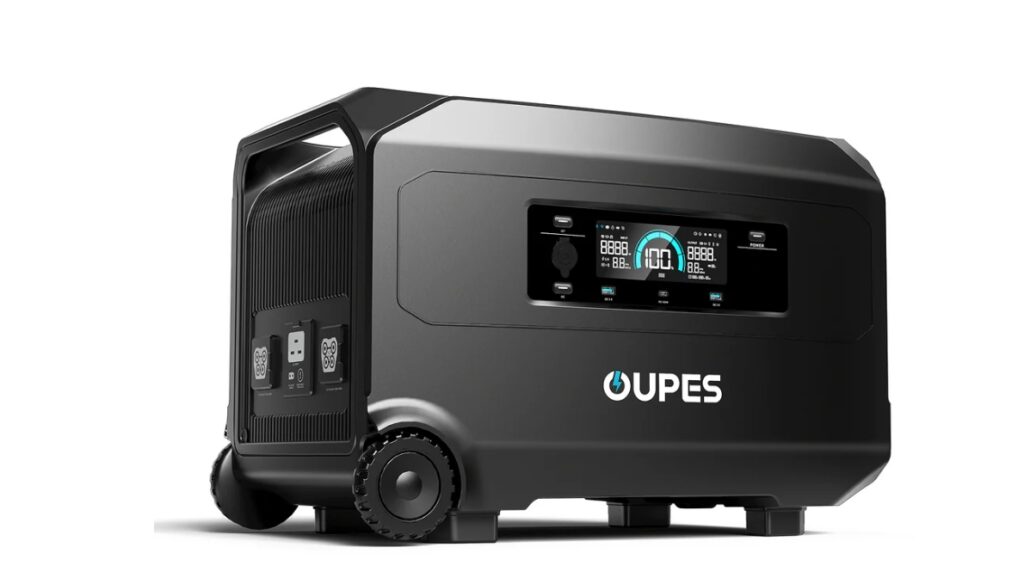
Choosing a portable power station often comes down to a critical question: how long will it last? For lithium iron phosphate (LiFePO4) batteries, the answer is measured in years and thousands of charge cycles, not just capacity specs. This chemistry has become the cornerstone of modern, durable energy storage, prized for its safety and longevity. Understanding what influences this lifespan is key to maximizing your investment and ensuring reliable power when you need it most.
This article breaks down the technical and practical factors that govern the longevity of LiFePO4 batteries, specifically within the context of OUPES portable power solutions. We’ll move beyond marketing claims to examine how real-world usage patterns, environmental conditions, and built-in battery management systems collectively determine how many years of service you can realistically expect from your power station.
What Makes LiFePO4 Batteries Different?
Lithium iron phosphate (LiFePO4) represents a distinct branch of lithium-ion technology. Unlike the more common lithium cobalt oxide (LiCoO2) found in many consumer electronics, LiFePO4 uses a phosphate-based cathode. This fundamental material difference translates into tangible user benefits, primarily centered on lifespan and safety.
The chemical structure of LiFePO4 is inherently more stable. It is far more resistant to thermal runaway—the chain reaction that can lead to overheating and fire in other lithium batteries. This stability allows the batteries to operate safely across a wider temperature range and endure more physical stress. From a longevity perspective, the key advantage is the battery’s ability to maintain its structural integrity through repeated charging and discharging. The lithium ions move in and out of the cathode material with less degradation, which directly contributes to a higher cycle life.
Furthermore, LiFePO4 batteries typically have a flatter discharge voltage curve. This means they deliver consistent power output for most of their discharge cycle, unlike other chemistries that show a steady voltage decline. While this is a performance benefit, it also reduces stress on the battery cells, contributing to long-term health.
Key Factors Determining LiFePO4 Lifespan
The advertised cycle life—often 3,000 to 6,000 cycles—is a laboratory benchmark under ideal conditions. Your actual experience depends on several interacting variables.
Cycle Life and Depth of Discharge (DoD)
Cycle life is intrinsically linked to Depth of Discharge (DoD). A “cycle” is defined as using 100% of the battery’s rated capacity, but this rarely happens in one go. If you use 50% of the battery’s capacity and then recharge it, that counts as half a cycle. Critically, shallower discharges dramatically extend battery life. A LiFePO4 battery rated for 3,500 cycles to 100% DoD might achieve well over 10,000 cycles if consistently only discharged to 50% DoD. This is because deeper discharges create more mechanical stress on the battery’s internal components. Modern power stations with advanced Battery Management Systems (BMS) help manage this by allowing users to set maximum discharge levels, effectively preserving the battery’s long-term health.
Charging Practices and Battery Management
How you charge is as important as how you discharge. The “CC-CV” (Constant Current-Constant Voltage) charging method used for LiFePO4 is gentle, but habits matter. Avoid consistently draining the battery to 0% before recharging. Similarly, while LiFePO4 handles being kept at full charge better than other lithium types, for long-term storage, a 50-60% state of charge is optimal. The most crucial component, however, is the Battery Management System (BMS). A high-quality BMS is the brain of the battery pack. It performs critical functions like cell balancing (ensuring all individual cells charge and discharge evenly), monitoring temperature, and preventing over-charge and over-discharge. A robust BMS is what turns a collection of LiFePO4 cells into a reliable, long-lasting power bank.
Environmental and Usage Conditions
Temperature is the primary environmental enemy of all batteries. LiFePO4 performs best in moderate temperatures, typically between 32°F (0°C) and 113°F (45°C). Charging a battery at freezing temperatures can cause permanent internal damage. High temperatures, above 95°F (35°C), accelerate chemical degradation and shorten lifespan. Storing or using your power station in a cool, dry place is a simple but effective longevity strategy. Usage patterns also play a role. Frequent high-load applications that draw power at or near the unit’s maximum output generate more internal heat and stress than running smaller, steady loads. The cumulative effect of these thermal events can incrementally reduce total cycle count.
Maximizing Your Power Station’s Service Life
Proactive maintenance isn’t complicated; it’s about consistent, smart habits. First, respect the temperature guidelines. Don’t leave your unit in a hot car or attempt to charge it in direct freezing weather. If the BMS cuts off charging due to low temperature, heed that protection.
Second, adopt partial discharge and recharge cycles when possible. Think of it like not always driving your car until the fuel tank is completely empty. Recharging from 30-40% remaining is ideal for daily or frequent use. For seasonal storage, such as putting a unit away for winter, charge it to approximately 50-60% and store it in a cool location. Re-check and top up this charge level every three to six months.
Finally, understand your unit’s specifications and alerts. Know its rated cycle life at a specific DoD, and use any programmable settings (like maximum discharge level) offered by the manufacturer. Pay attention to any warning indicators from the BMS, as they are designed to prevent the very conditions that shorten battery life.
From Portable Power to Home Energy Resilience
The principles of LiFePO4 longevity scale directly from portable units to larger, stationary systems. The same chemistry that powers a weekend camping trip is increasingly the foundation for whole-house home backup power solutions. In these applications, lifespan is calculated not just in cycles but in decades of service.
A home backup system undergoes different usage patterns—often deeper discharges during outages but potentially longer periods of float charging when grid power is available. The quality of the inverter/charger and the sophistication of the system’s energy management software become just as important as the BMS. These systems are designed for daily cycling or long-term standby, with lifespans often projected at 15+ years thanks to the inherent durability of LiFePO4 cells managed by professional-grade systems. This makes understanding cycle life and depth of discharge critical for calculating the long-term value and reliability of your home energy investment.
Frequently Asked Questions
How many years will a LiFePO4 power station last?
It’s more accurate to measure lifespan in cycles rather than years. A station rated for 3,500 cycles could last over 9 years if cycled once per day, or decades with only weekly use. Real-world longevity depends entirely on usage frequency, depth of discharge, and care.
Is it bad to leave my LiFePO4 power station plugged in all the time?
Unlike older battery types, LiFePO4 tolerates float charging (being kept at 100%) much better. However, for truly optimal long-term health during extended storage (months), maintaining a 50-60% state of charge is recommended. For regular use, leaving it plugged in is generally fine, as the BMS will manage the finish charge.
Can I use my power station in cold weather?
You can discharge a LiFePO4 battery in cold weather (down to about -4°F/-20°C), but you must avoid charging it when the battery core temperature is below freezing (32°F/0°C). Most quality units have a BMS that will automatically disable charging in low-temp conditions to prevent damage.
What does “cycle life” actually mean?
A cycle is the process of using 100% of the battery’s nominal capacity. This does not have to be from 100% to 0% in one session. Using 50% twice, or 25% four times, also equals one full cycle. Manufacturers rate total cycle life to a specific Depth of Discharge (e.g., 3,500 cycles to 80% DoD).
How does a BMS protect my battery’s lifespan?
The Battery Management System is essential. It continuously monitors cell voltage and temperature, ensures all cells charge and discharge evenly (balancing), and automatically cuts off power to prevent over-charging, over-discharging, and operation in unsafe temperatures—all of which degrade lifespan.
Do solar panels charge LiFePO4 batteries efficiently?
Yes, LiFePO4 is an excellent match for solar charging due to its high charge acceptance rate and wide voltage tolerance. Pairing a solar panel with a proper solar charge controller (often integrated into power stations) is an efficient and sustainable way to cycle the battery, extending its functional life.
Conclusion
The lifespan of a LiFePO4 battery in a portable power solution is not a fixed number but a variable outcome. It is the product of robust chemical design, sophisticated electronic management, and informed user practice. Understanding the relationship between cycle life and depth of discharge, the protective role of the Battery Management System, and the impact of temperature empowers you to become an active participant in preserving your unit’s capacity and reliability.
By adopting simple habits like avoiding extreme temperatures, practicing partial rather than full discharges, and leveraging the built-in safeguards of your device, you can confidently expect your power station to deliver on the long-term promise of LiFePO4 technology. This knowledge transforms a purchase from a simple transaction into a sustainable investment in dependable energy, whether for adventures off-grid or for security at home.