
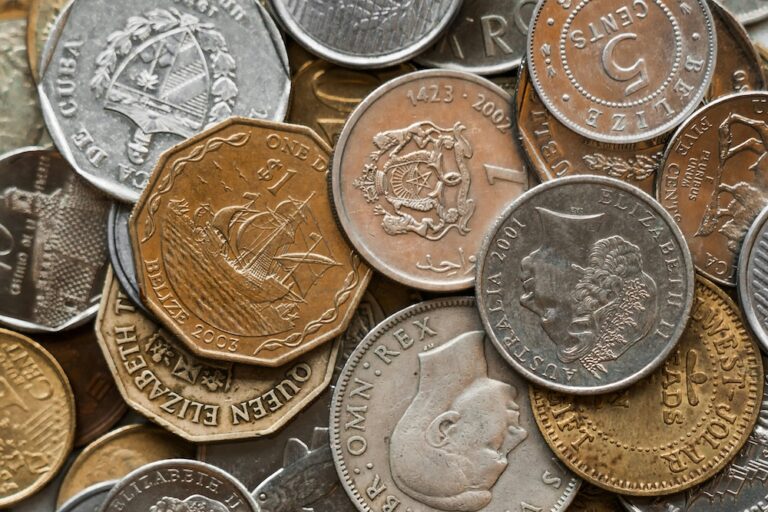
Discovering a collection of old coins while sorting through an estate is a common scenario. You’re left holding history in your hands, but also a practical question: what are they worth, and how do you convert them into cash without being taken advantage of? The process of selling inherited or discovered coins can feel daunting. It requires navigating a specialized market where knowledge is power. Working with a reputable professional is the most reliable path to a fair and straightforward sale. This guide outlines exactly what you can expect when you choose to work with an expert to turn your estate finds into cash.
The goal is not just to sell, but to understand the value you’re bringing to market. A qualified buyer provides clarity, security, and efficiency, transforming what could be a stressful chore into a profitable and educational experience. Here’s how the process typically unfolds, from initial assessment to final payment.
The Initial Assessment and Valuation Process
Your first interaction with a professional buyer sets the tone. A trustworthy expert won’t pressure you for an immediate sale based on a photograph. Instead, they will initiate a detailed evaluation. This often begins with you providing clear photographs of the coins, including front (obverse) and back (reverse), along with any context you have—such as where they were found or any notations from the previous owner.
The dealer will examine key factors: the coin’s date, mint mark, denomination, and condition. Condition, or “grade,” is paramount. A slight difference in wear or luster can mean a difference of hundreds or thousands of dollars in value. They will also check for rarity and historical significance. An expert uses standardized grading guides, historical price databases, and auction records to build an accurate market appraisal. This initial remote assessment gives you a preliminary range of value and determines if an in-person inspection is the next logical step.
What a Professional Inspection Entails
If the preliminary review suggests significant value, the next phase is a secure, in-person inspection. A reputable coin buyer New York will offer to meet at their secure, established office or a neutral, safe location like a bank. They should be transparent about their process.
During the inspection, the buyer will examine the coins under proper lighting, often using a magnifier or loupe to scrutinize minute details. They are looking for authenticating features, signs of cleaning or alteration, and precise grading characteristics. This is your opportunity to ask questions. A true professional will explain what they are seeing—pointing out why one coin is more valuable than another seemingly identical one. They should provide a firm, written offer for the collection or individual pieces, with a clear explanation of how that figure was reached. There should be no hidden fees or obligations.
Understanding the Offer and Market Comparisons
You should never feel compelled to accept the first offer on the spot. A credible buyer encourages you to seek other opinions. Use their detailed offer as a benchmark. You can compare it to published “book” values (noting these are often retail, not wholesale prices) and recent auction results for similar coins. Remember, a dealer’s offer is typically a wholesale price; they must account for authentication, holding costs, and a profit margin when they resell. The fairness of an offer is judged by its alignment with the wholesale market, not the retail price you might see online.
The Transaction: Security and Payment
Once you agree to sell, the transaction should be swift and secure. Professional buyers operate with clear, business-like protocols. Expect to sign a simple bill of sale that itemizes the coins purchased and the final agreed-upon price. This document protects both parties.
Payment should be immediate and in a form that guarantees funds. For most transactions, this means a certified bank check, a wire transfer, or even cash if that is your preference and the amount warrants it. Personal checks from an unknown party are a red flag. The entire exchange, from handing over the coins to receiving payment, should be completed in one meeting. There is no reason for a legitimate buyer to take possession of your coins for “further evaluation” before paying.
Avoiding Common Pitfalls for Sellers
Many individuals selling estate coins encounter similar mistakes. Being aware of them empowers you to secure the best outcome.
First, avoid cleaning the coins. Well-intentioned polishing with abrasive materials can permanently damage surfaces and drastically reduce value. Collectors prize original “patina.” Second, do not rely on generic online “coin value” websites or non-specialist appraisers. Their estimates are often wildly inaccurate, creating unrealistic expectations. Third, be wary of buyers who make grandiose promises without seeing the coins or who charge large upfront “appraisal fees.” A legitimate buyer earns their profit from the purchase, not from fees.
Finally, consider the buyer’s reputation above all. A longstanding, established business with verifiable testimonials and professional affiliations (like membership in the American Numismatic Association) has a reputation to uphold. They are your best bet for a fair deal. Choosing the right coin buyer New York is the single most important decision in the process.
How to Prepare Your Collection for Sale
A small amount of preparation can make the valuation process smoother and more accurate. Gather the coins carefully, handling them by the edges to avoid transferring oils from your skin. If they are in old holders, albums, or paper envelopes, bring them as-is; the packaging can sometimes provide useful context.
Organize them logically—by denomination, date, or country. Any documentation you have, such as a collector’s notebook, old receipts, or certificates of authenticity, should be brought to the appointment. This information can be invaluable. Most importantly, set clear goals for yourself. Are you looking for a single lump-sum payment for the entire lot, or would you prefer to consign the most valuable pieces to auction? A professional can advise on the best strategy to maximize your return based on your priorities.
Frequently Asked Questions
What’s the difference between face value and collector value?
Face value is the monetary amount stamped on the coin (e.g., one dollar). Collector value, or numismatic value, is based on rarity, condition, demand, and historical significance. A silver dollar from the 1800s might have a face value of $1, but its collector value could be hundreds or thousands of dollars.
Should I get my coins graded by a service before selling?
For very high-value coins (typically those potentially worth over $1,000), professional grading and encapsulation by a service like PCGS or NGC can maximize value and streamline the sale. For most mixed estate lots, a reputable buyer can assess them raw, and you can avoid the upfront cost and time of grading unless they recommend it.
How do I know if a coin buyer is reputable?
Look for a physical business address (not just a P.O. box), years of established operation, professional affiliations, and transparent online reviews. They should be willing to provide references and conduct business in a secure, professional setting without pressure.
Will you buy damaged or cleaned coins?
Yes, professional buyers will typically purchase them, but cleaning and damage significantly affect value. A cleaned coin may be worth only a fraction of its original, uncleaned counterpart. Honesty about any prior cleaning is crucial for an accurate appraisal.
Is it better to sell individually or as a whole collection?
Selling as a single lot to a dealer is faster and guarantees immediate payment. Selling individually, perhaps at auction, may yield a higher total return but takes months and involves seller fees. A professional can analyze your collection and advise on the most profitable approach for your specific situation.
Conclusion
Turning estate coins into cash is a process best navigated with expertise. By understanding the steps—from the initial assessment and professional inspection to the secure transaction—you can approach the sale with confidence. The value lies not only in the metal or denomination but in the market knowledge required to unlock it. Partnering with a respected specialist ensures you receive a fair price based on genuine market dynamics, not guesswork.
Ultimately, these finds are more than assets; they are tangible pieces of history. A trustworthy transaction honors that history while providing you with a clear financial benefit. By choosing a professional with a proven track record, you transform the uncertainty of an inherited collection into a resolved and rewarding conclusion.